Cob Building Work Exchange Opportunity for Spring 2009
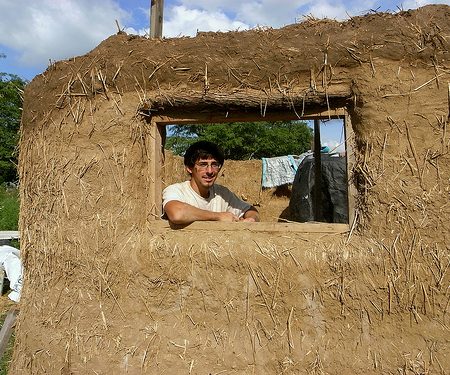
This is Brian, a.k.a. Ziggy. He currently lives at the Dancing Rabbit Ecovillage in northeastern Missouri. He also writes for Green Optins and recently published an article on my passion for pallets. Thanks Ziggy!
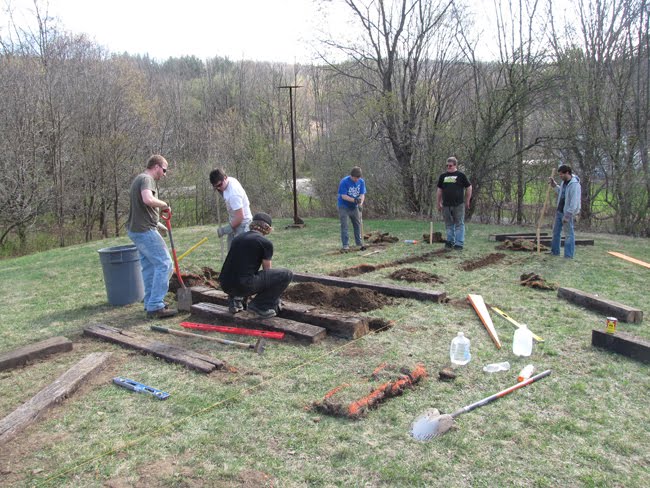
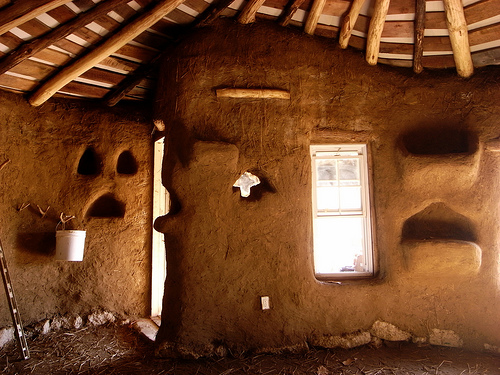
This spring he’ll be finishing up a cob tiny house he started last year. He’s looking for one or two people to come work, live, and learn to work with cob. As a temporary resident at Dancing Rabbit you’ll also get the first hand experience of ecovillage life. Sounds like an amazing opportunity. If you want to learn more visit Ziggy’s blog for all the details about building a cob house.
Similar Posts
You might like these posts too...![]() | Earthbag Building Work Exchange Opporutunity Here’s a great opportunity to learn to build an earthbag tiny house at the Dancing Rabbit Ecovillage. In trade for hands-on experience building with earthbags you’ll be asked to hang out for a month, work about 30 hours a week, and move heavy objects. But you’ll also be treated to vegan food and life at | |
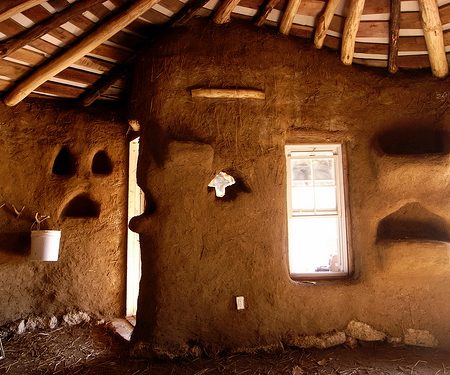
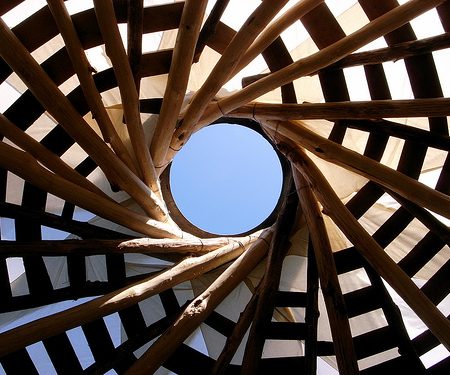
![]() | A Cob House You Can Build Ziggy’s cob house at the Dancing Rabbit Ecovillage is complete. He’s also posted a lot of detailed information about the construction process, cost, and sweat-equity required to build such a house on his Building a cob house blog. The house is about 200 square feet and includes a reciprocal roof and rocket stove. Ziggy estimates | |
![]() | A Closer Look at Tiny Cob House Construction Cob is earth, sand, and straw. It’s similar to building with adobe but instead of making blocks to stack-up like with an adobe house, cob houses are built-up while the mud is wet. The material is essentially the same, the construction process is what differentiates cob from adobe. The most obvious design difference is that adobe |
Follow on Facebook and Twitter @TinyHouseDesign and/or @MichaelJanzen.
Subscribe to Tiny House Design by Email and/or RSS.