DIY Rammed Earth Manual, How to build with DIRT
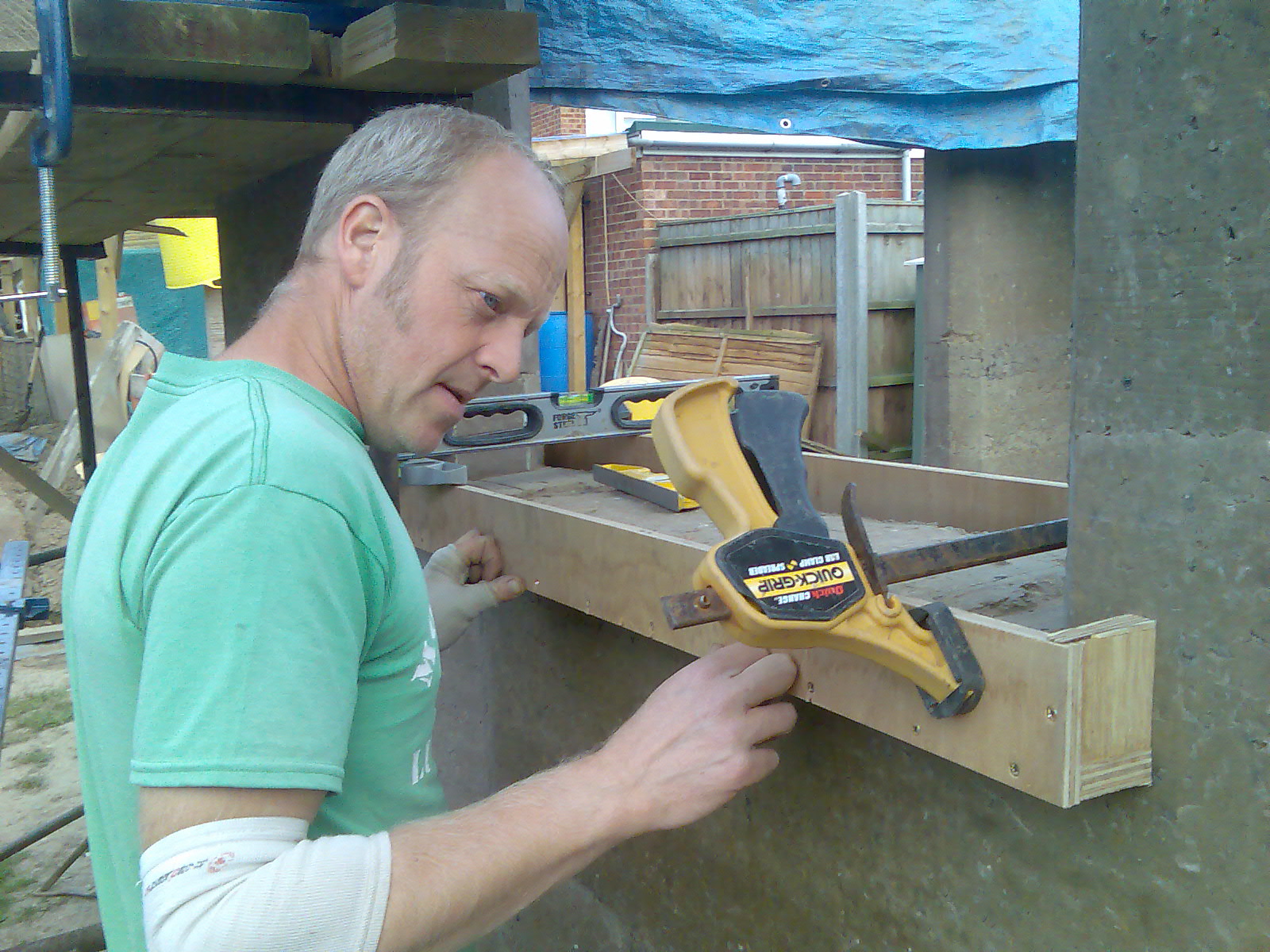
Michael Thompson at rammed-earth.org shared a copy of his new book with me, it’s called DIY Rammed Earth Manual, How to build with DIRT! I was really happy to find it packed with real DIY information. The first section covers all the basics you’ll need to know to build a rammed earth home including the tools you’ll need, how to build formers, lay your foundation, and test soil for suitability. The next covers the building of a small earthen building from start to finish.
If you dream of building a tiny house on a trailer dirt won’t work, but if you dream of a tiny homestead dirt may be the way to go. Rammed earth is the process of compacting dirt to form walls. It’s slower going than framing a house with lumber but the thermal mass an earthen wall provides can help you get a comfortable quiet home the old-fashion way. For over the last 200,000 years humans have been creating different ways of building with earth. Here are just a few of the most common methods.
- Earthbag – Bag filled with dirt and tamped into place.
- Adobe – Dry mud blocks stacked into walls.
- Cob – Wet mud blobs stacked into walls.
- Rammed Earth – Walls formed in place by tamping it into a reusable form.
- Compressed Earth Block – A cross between adobe and rammed earth.
- Wattle and daub – Mud filled woven lattice.
Michael’s book is available in print an as an ebook. He also teaches workshops in Europe. Visit his site to learn more about DIY Rammed Earth Manual, How to build with DIRT.

No Building Codes eBook by Terry Herb
Terry Herb, the fellow behind the blog containerist.com, has written an ebook called No Building Codes, A Guide to States with No Building Codes.
I just bought a copy because it sounded like it might answer one of the most common questions I get from my readers… where can I build a tiny house without hassels?
Terry’s ebook provides a summary of each U.S. state and describes the possibilities available in each state. It doesn’t go down to the detail of each jurisdiction or provide first hand knowledge of each location. My guess is that level of detail would be nearly impossible to achieve without a team of researches constantly monitoring each region, so I’m not knocking Terry’s work, just setting your expectations in case you want to buy the book.
The ebook is 93 pages and costs $19.95 (check current pricing). I personally felt like this ebook was well worth the money and will spend more time reviewing Terry’s notes and use the book to help research regions that look friendly to tiny house owner-builders. If you’re planning on building a tiny house on wheels the local codes may not apply.
I also learned that there is a free resource available called the Building Code Reference Library on the Reed Construction Data website. You might want to check the reference library for specific locations first, and use the No Building Codes ebook as a guide for general nation-wide information.

Simple Solar Homesteading
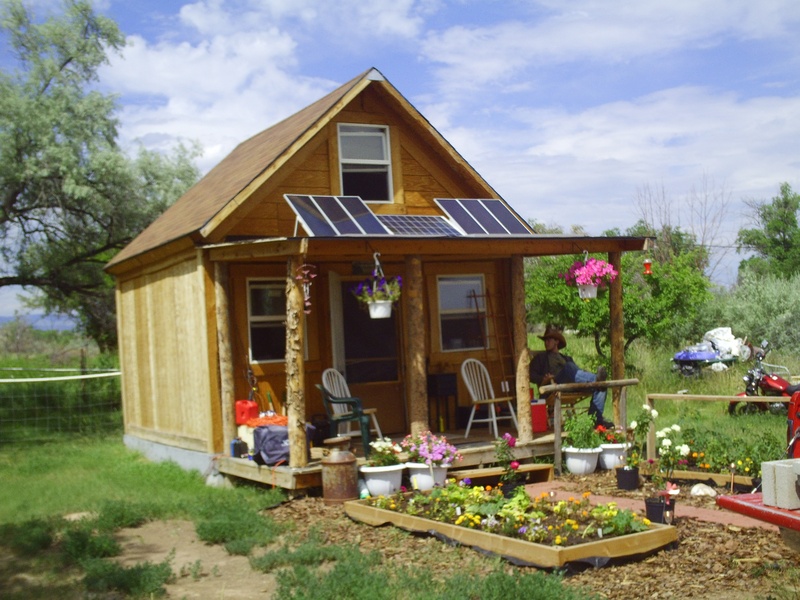
I’ve written about this Simple Solar Homestead before but LaMar has made some improvements to his website including the addition of videos and photos of cabins built from the plans in his book. His book is called Simple Solar Homesteading and its 196 pages and costs $19.95. He also sells a $5 ebook called Off-Grid Solar Power.
The structure of the 14′ by 14′ cabin below can be built for about $2,000 in materials. His book is packed with all sorts of ways to live off-the-grid on a low budget. Back in 2008 I bought an earlier version of this book (as an ebook) and was amazed with all the information inside. It’s exciting to see LaMar expanding his online content and offering and update to his already amazing book.
Visit Simple Solar Homesteading

Photo credit to LaMar Alexander.
Update: The day after I posted this LaMar posted this great little video slide show of how this little cabin was built.